
How Negative News & Social Media Can Affect Our Anxiety
Key Takeaways
Ongoing exposure to negative news and emotionally charged social media content can heighten stress responses and contribute to increased anxiety over time, especially through patterns like doomscrolling.
Research consistently links excessive or passive social media use and information overload with higher anxiety, driven by feelings of unpredictability and lack of control.
The impact of digital media depends on how it is used. Intentional, active engagement tends to be less harmful than constant or compulsive scrolling.
Mindful media habits, curated content, and regular offline routines can reduce anxiety and support emotional regulation.
Anxiety related to news and social media is common and manageable, and counselling can help individuals develop personalized strategies for healthier digital engagement.
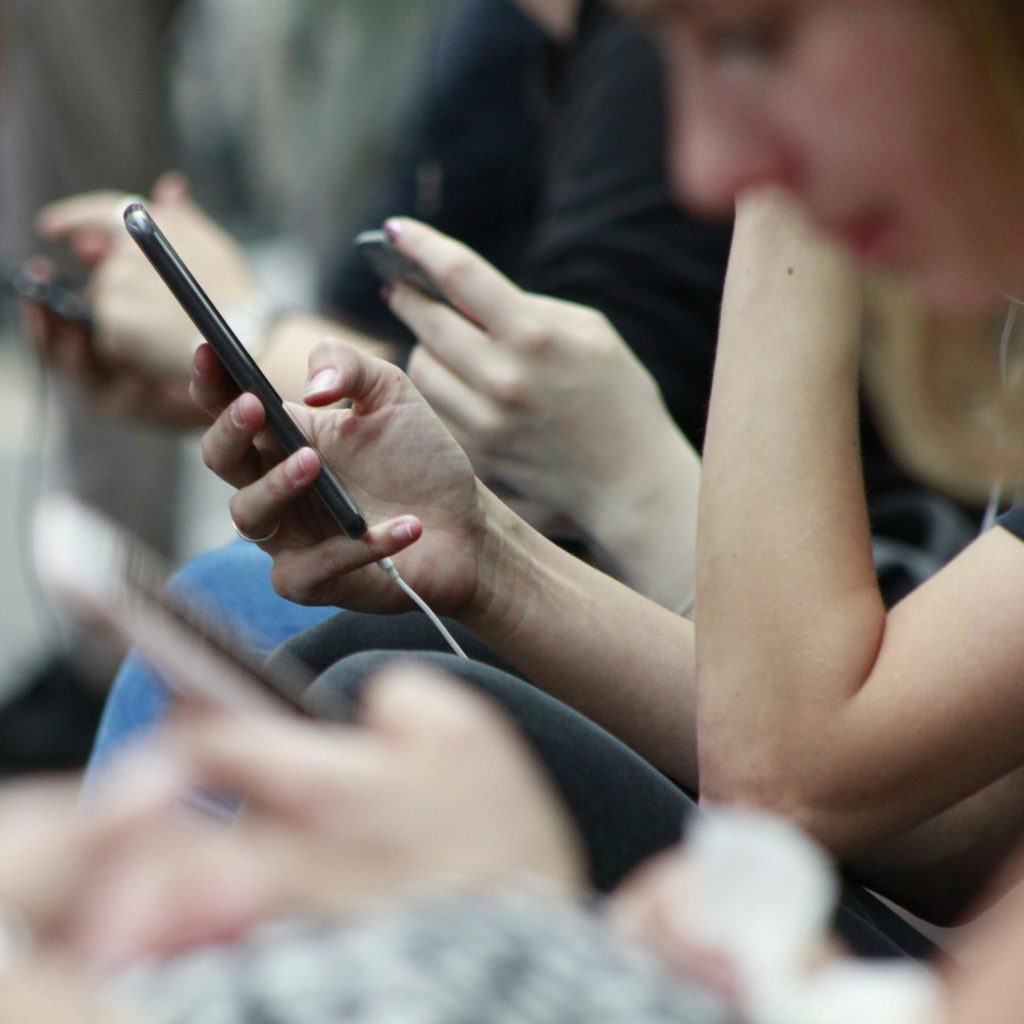
In today’s digital age, many of us rely on the internet and social media to stay informed and connected. While these technologies offer remarkable benefits, there’s also a growing body of evidence showing that repeated exposure to negative news and emotional content online can contribute to higher levels of anxiety.
Often, it isn’t one story or post that causes distress — it’s the cumulative effect of seeing headline after headline about threatening events, political conflict, health scares, climate crisis, or personal loss. These repeated negative messages can activate our stress responses, heighten nervous system arousal and increase anxious thoughts. This pattern of continuous searching through distressing content — sometimes called doomscrolling — has been linked with increased psychological distress, anxiety, and stress reactions (Strasser, Sumner & Meyer, 2022)
Research conducted during the COVID-19 pandemic provides strong empirical support for this connection. A large systematic review of studies on news consumption and distress in young people found that more consumption of negative news related to COVID-19 was associated with worse mental health outcomes, including elevated anxiety and emotional distress.
This isn’t limited to pandemic contexts. Studies show that even routine news consumption on social media can influence psychosocial well-being. For example, research tracking millions of social media posts indicates that exposure to news feeds was associated with increased stress and anxiety outcomes for users, especially when engagement involved repeated exposure to emotionally charged content (Pal, Goyal, Eshar, & Saha, 2026).
These findings don’t mean that news or social media are inherently harmful — but they do suggest that how we engage with them, especially in large doses or without breaks, can affect our emotional states.
Social Media Use & Anxiety: What the Research Shows
In addition to news, patterns of social media use themselves have been linked to anxiety. Peer-reviewed research on social networking behaviours has found that problematic or excessive use of social platforms correlates with higher levels of anxiety symptoms across diverse samples.
One large meta-analysis including hundreds of studies and over 250,000 participants identified a significant association between increased social networking and anxiety symptoms. Although the strength of this association varies depending on age group, type of use, and individual characteristics, the consistency across studies suggests that higher engagement — especially passive scrolling or compulsive checking — frequently relates to anxiety (Du, Zhao, Hu, et al., 2024).
Separately, research with university students found that overload from social media information — including the constant stream of posts and rapid updates — was significantly associated with increased anxiety. Although not yet able to determine precisely why, this association exists partly through creating a sense of information strain and heightened risk perception Wang, Xu & Xie, 2023).
These findings align with theoretical models of stress and coping: when our brains are flooded with information that we often can’t control or directly respond to, it increases feelings of unpredictability and lack of control — two core features of anxiety.
It’s also worth noting that not all engagement is equal. Active, purposeful use (e.g., messaging close friends) may not carry the same mental health risks as passive scrolling or continually consuming negative content.
Understanding these nuances empowers us to make more mindful choices about when, why, and how we access social media — and to recognize patterns that may be contributing to distress.
Strategies to Reduce Anxiety From Digital Overload
The good news is that there are practical skills and evidence-based approaches you can learn to lessen the impact of negative news and social media on your anxiety. You don’t have to navigate this alone.
Here are some strategies that are supported by research and often work well in counselling:
Mindful Media Consumption
Set intentional boundaries around your news and social media use. Choose specific times of day to catch up on news rather than scrolling continuously. Mindful awareness helps prevent repetitive, automatic checking that can fuel anxiety.
Curate Your Feed
Reduce exposure to distressing content by unfollowing or muting sources that activate anxiety. Replace them with accounts or pages that focus on well-being, education, creativity, or joy. The content we choose to engage with shapes emotional responses.
Create Predictable Routines
Incorporate predictable offline activities — walks, hobbies, face-to-face time with loved ones — that provide relief from digital saturation and support emotional regulation.
Recognize Your Triggers
Counselling can help you identify which types of content or patterns of use are most likely to trigger distress and develop personalized strategies to navigate or avoid them.
Practice Stress-Regulation Skills
Relaxation techniques, breathwork, cognitive reframing, and grounding strategies are all tools that help reduce the nervous system’s reactivity to stressors, including stressful news or social media updates. These are skills you can build collaboratively in therapy.
By applying these strategies consistently, many people report noticing significant reductions in anxiety symptoms and improved ability to engage online in a healthier way.
You’re Not Alone — Support Is Available
If you find that negative news and social media are contributing to your anxiety, it’s important to remember this is a very common experience. There are supportive, effective ways to manage it. You don’t have to stop using technology entirely — the goal is balance and intentional engagement, not avoidance.
We can work with you to develop personalized skills that enhance emotional resilience, reduce anxiety, and foster greater control over how digital media impacts your mood and well-being.
References
- Du, M., Zhao, C., Hu, H. et al. (2024). Association between problematic social networking use and anxiety symptoms: a systematic review and meta-analysis. BMC Psychology 12, 263. https://doi.org/10.1186/s40359-024-01705-w
- Marano G, Lisci FM, Rossi S, Marzo EM, Boggio G, Brisi C, Traversi G, Mazza O, Pola R, Gaetani E, Mazza M. (2025). Connected but at Risk: Social Media Exposure and Psychiatric and Psychological Outcomes in Youth. Children (Basel). 2025 Oct 2;12(10):1322. doi: 10.3390/children12101322
- Pal O., Goyal, A. Eshar, C. & Saha, K. (2026). The Hidden Toll of Social Media News: Causal Effects on Psychosocial Wellbeing. arXiv. doi:10.48550/arXiv.2601.13487
- Strasser MA, Sumner PJ, Meyer D. (2022) COVID-19 news consumption and distress in young people: A systematic review. Journal of Affect Disorders. 1;300:481-491. doi: 10.1016/j.jad.2022.01.007
- Wang Y, Xu J & Xie T (2023). Social Media Overload and Anxiety Among University Students During the COVID-19 Omicron Wave Lockdown: A Cross-Sectional Study in Shanghai, China, International Journal of Public Health, 67:1605363. doi: 10.3389/ijph.2022.1605363